



Poor hygiene in Melbourne workplaces costs far more than most businesses realise. It increases sick leave, lowers productivity, affects mental wellbeing, damages reputation, shortens the life of assets and can even lead to compliance risks. Clean environments support healthier staff, better performance, stronger customer trust and long-term financial stability. Hygiene is not just about appearance — it is about protecting people, profit and growth.
When most Melbourne business owners think about hygiene, they think about appearances. Clean floors. Empty bins. Bathrooms that smell fresh. A tidy reception desk.
But hygiene is not just about how a space looks. It is about how people feel, how they perform, and how a business survives and grows. Strong workplace hygiene Melbourne standards are no longer optional; they are foundational to sustainable operations.
Poor hygiene carries hidden costs. They do not always show up on a balance sheet straight away. They show up slowly — in sick days, low morale, unhappy customers, damaged assets and lost opportunities. The true cost of poor hygiene is often much higher than business owners expect.
Let’s look at what Melbourne businesses often overlook, and why hygiene is not an expense, but a foundation.
Health: The Cost You Can’t Always See
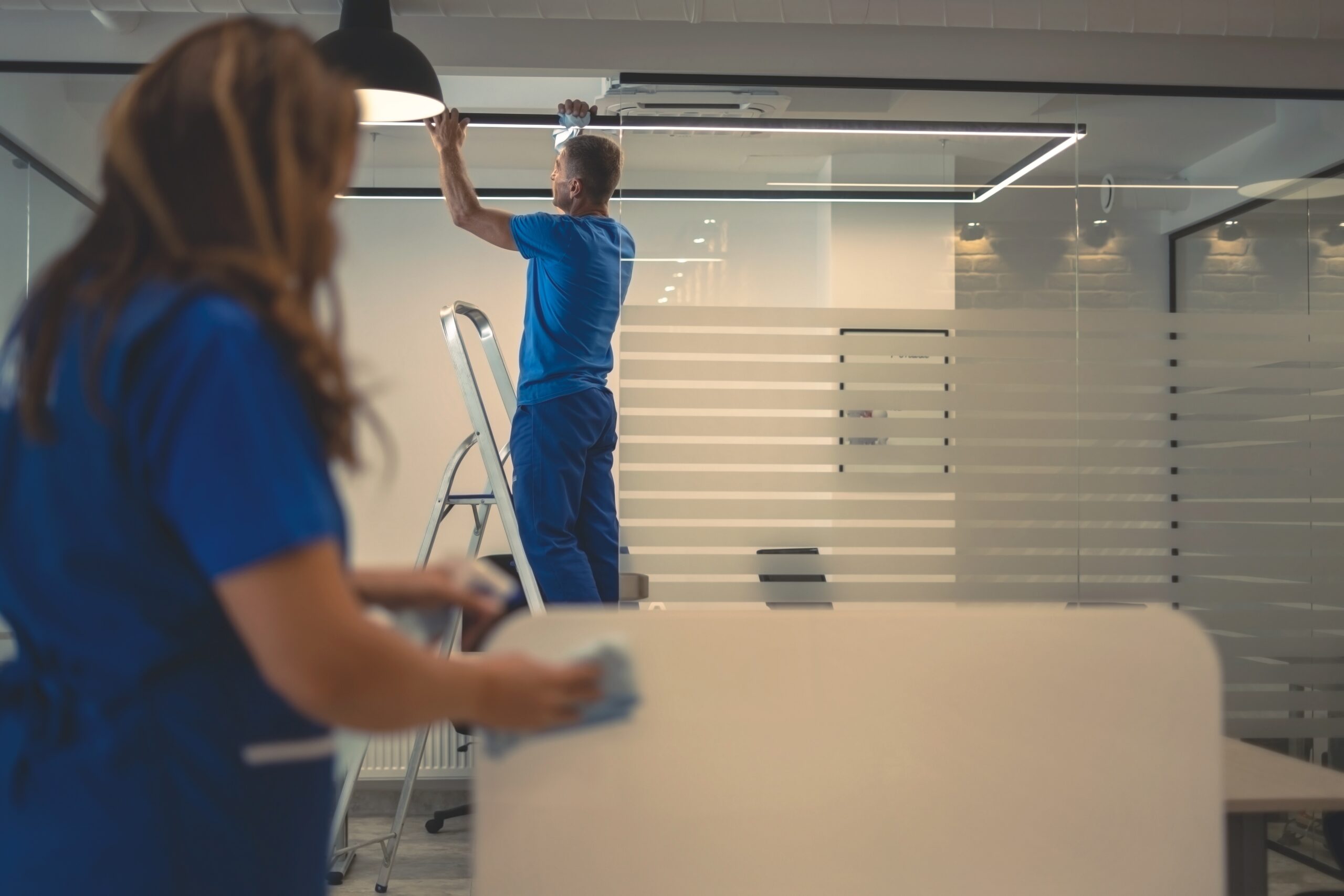
Every workplace has high-touch points. Door handles, lift buttons, shared desks, keyboards, kitchen taps and bathroom surfaces. When these areas are not cleaned properly, germs spread quickly. Rising office bacteria levels are a silent issue in many commercial environments.
In busy Melbourne offices, warehouses and retail stores, one unwell team member can easily pass illness to others. Colds, flu and gastro can move through a workplace faster than most managers expect. This is where proper hygiene becomes central to staff sickness prevention.
The result is increased sick leave, disrupted projects, temporary staffing costs, overtime expenses and missed deadlines.
Even a small rise in absenteeism adds up over a year. If five employees take just two extra sick days each, that is ten lost workdays. Multiply that across departments and months, and the financial impact becomes clear.
In industries such as healthcare, childcare, hospitality and food production, the risk is even greater. Poor hygiene can lead to contamination, regulatory breaches and serious legal consequences. Maintaining high standards supports health and safety workplaces across every sector.
Good cleaning protects people first. The financial benefit follows naturally.
Mental and Emotional Impact: Clean Spaces Calm Minds
Have you ever walked into a cluttered, dirty space and immediately felt stressed?
Now imagine working there every day.
Mess and grime create mental noise. Dust, odours and visible dirt subtly signal neglect. Employees may not consciously think about it, but they feel it.
A clean workplace sends a different message. It tells people they are valued. It shows that the space is cared for. It reinforces that standards matter. These are simple yet powerful employee wellbeing tips that many organisations overlook.
When people feel respected by their environment, their stress levels reduce. They focus better. They take more pride in their work.
Poor hygiene, on the other hand, can create frustration. Team members may argue about whose responsibility it is to clean shared areas. Resentment builds. Morale drops.
In simple terms, clean spaces support clear minds.
Productivity: Small Problems, Big Losses
Productivity is rarely lost in dramatic ways. It slips away in small, daily interruptions.
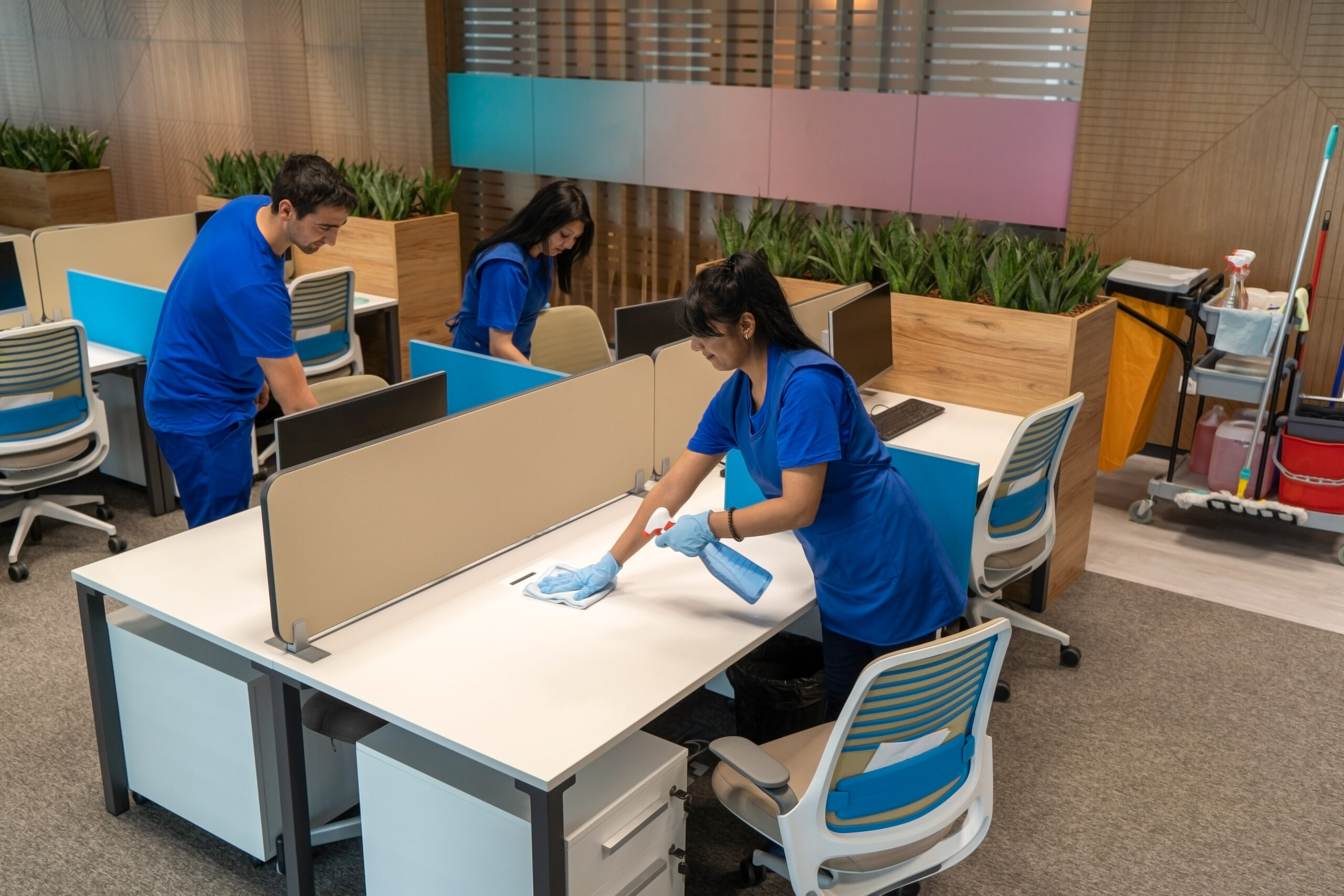
An unclean workplace causes time to be wasted searching for clean equipment. It creates delays due to preventable maintenance issues. It increases discomfort from poor air quality. It distracts employees with unpleasant smells.
Dust buildup can affect electronics. Poorly maintained floors increase slip risks. Dirty air-conditioning systems circulate allergens and reduce air quality. Effective facilities management plays a critical role in preventing these avoidable disruptions.
When people feel physically uncomfortable, they do not perform at their best. Headaches, allergies and fatigue reduce output.
In Melbourne’s competitive business landscape, small performance drops can mean losing a contract, missing a sales target or falling behind competitors.
Clean environments support smooth operations. Smooth operations protect revenue. These are some of the long-term commercial cleaning benefits that go far beyond surface appearance.
Mood and Workplace Culture
Culture is built from daily experiences.
If employees walk into a clean, fresh environment each morning, it sets a positive tone. It communicates care, professionalism and attention to detail.
If they walk into overflowing bins and unclean bathrooms, it sends the opposite message.
Over time, hygiene standards influence behaviour. In well-maintained spaces, people are more likely to keep their own areas tidy, respect shared spaces and take ownership of their work.
In neglected spaces, standards often slip across the board. If no one appears to care about the environment, people may stop caring about other details as well.
Cleanliness creates a ripple effect throughout the organisation.
Customer Perception: What Clients Notice
Customers notice more than businesses think.
They may not comment on dusty skirting boards or streaked glass. But they register it subconsciously.
In Melbourne’s retail, medical and corporate sectors, perception matters deeply. Cleanliness is associated with professionalism, safety, attention to detail and trustworthiness.
If a client walks into a meeting room with stained carpet or a restroom that feels unclean, doubts begin to form. It does not matter how strong your proposal is. First impressions shape decisions.
A single lost client due to poor presentation can cost far more than consistent professional cleaning ever would. Regular cleaning audits Melbourne businesses implement can help prevent these silent reputation risks.
Compliance and Risk
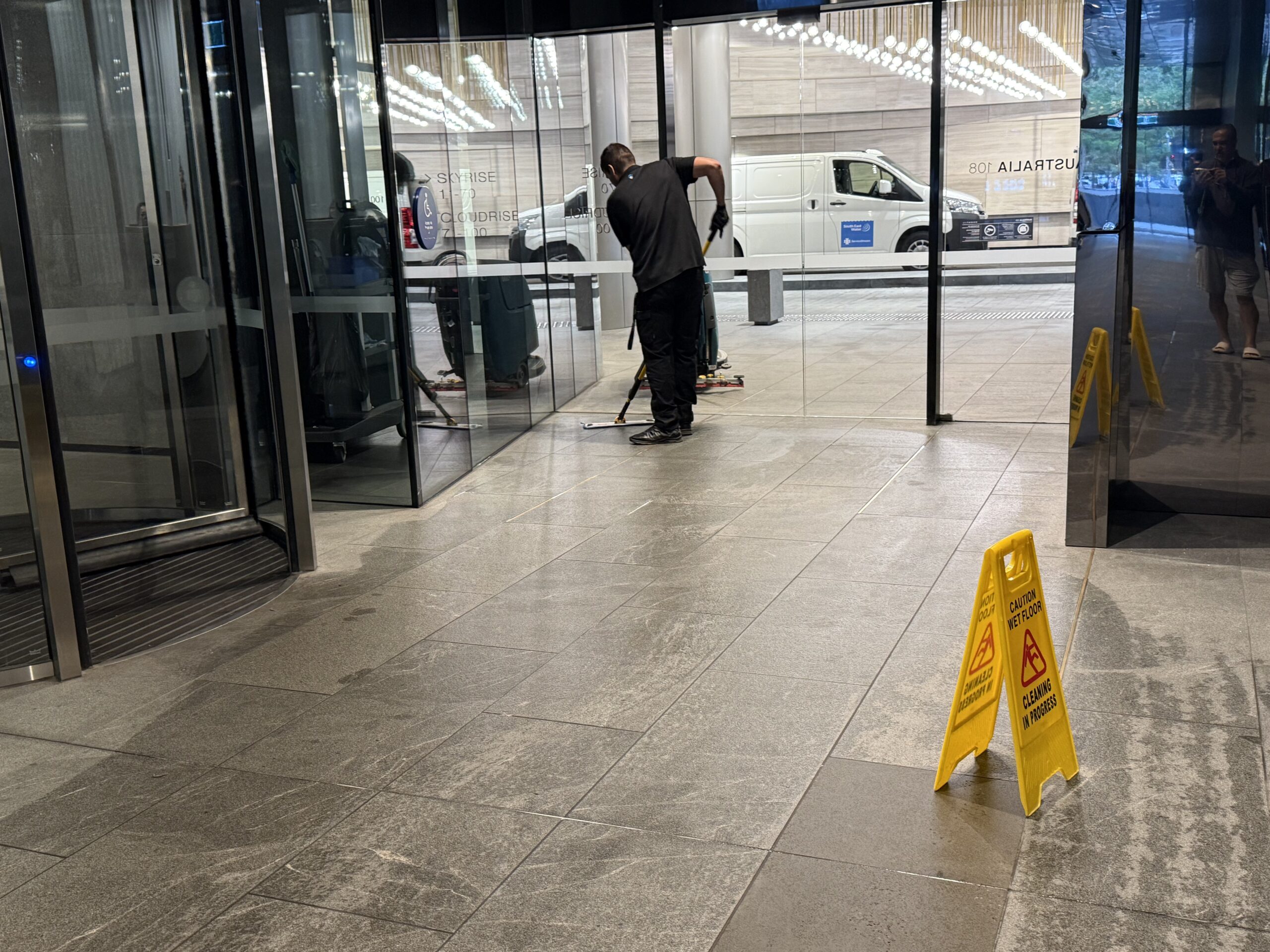
Australian workplace health and safety regulations require employers to provide a safe environment. This includes clean amenities, hygienic food preparation areas and safe walkways. Meeting cleaning compliance VIC requirements is not simply administrative; it protects both people and businesses.
Poor hygiene increases slip and trip hazards. It raises the risk of cross-contamination. It encourages pest infestations. It allows mould growth to develop unnoticed.
In Melbourne’s changing climate, with damp winters and humid days, mould and bacteria can develop quickly if not properly managed.
Compliance failures can result in fines, legal claims and damaged reputation.
Risk management starts with basic hygiene.
Long-Term Asset Protection
Flooring, carpets, upholstery and equipment represent significant investments.
Dirt acts like sandpaper. It wears down surfaces slowly. Moisture buildup damages materials. Neglected maintenance shortens lifespan.
Replacing commercial flooring prematurely is expensive. Repairing mould-damaged walls is costly. Replacing air-conditioning systems clogged with dust strains budgets.
Routine cleaning protects assets and delays costly replacements.
It is simple. Maintain now, or pay more later.
The Impact Beyond Work: Families and Community
Poor hygiene does not stop at the office door.
When employees bring germs home, their families are affected. Children may miss school. Partners may take time off work. Illness spreads through households.
Healthy workplaces support healthy families.
For Melbourne businesses that care about their teams and their broader community, hygiene is not just an operational decision. It is a responsibility.
Wealth and Long-Term Growth
Business growth depends on stability. Stable teams, stable operations and a stable reputation.
Poor hygiene quietly destabilises all three.
Clean environments support staff retention, customer loyalty, positive reviews and a stronger brand image. These factors influence revenue over years, not days.
When hygiene is treated as an afterthought, hidden costs accumulate. When it is treated as essential infrastructure, businesses build stronger foundations.
Simplicity Matters
You do not need complicated systems to understand this.
Clean spaces protect people. Protected people work better. Better work supports growth.
It is that straightforward.
Melbourne businesses often focus on marketing, sales and strategy, all of which are important. But without a clean, safe environment, those efforts rest on unstable ground.
Hygiene affects health, mood, productivity, compliance, reputation and wealth. It influences how employees feel, how customers decide and how long assets last.
The hidden cost of poor hygiene is not hidden because it is small. It is hidden because it builds slowly.
And by the time it becomes obvious, it is usually expensive.
Taking hygiene seriously is not about looking good.
It is about building a workplace where people can thrive physically, mentally and financially.
If you’re ready to protect your team, reputation and bottom line, take the next step today. Speak with our team about improving your workplace hygiene standards and creating a safer, healthier environment for everyone.
📞 Call us on 03 8583 9199
📧 Email info@atyourservice.au
🌐 Visit atyourservice.au
A cleaner workplace is not just an upgrade — it is a smart business decision.
Key Takeaways
- Poor workplace hygiene carries hidden financial costs that build up over time.
- Higher office bacteria levels lead to increased sick leave and reduced productivity.
- Strong workplace hygiene Melbourne standards support staff sickness prevention.
- Clean environments improve mental clarity, morale and overall employee wellbeing.
- Customers associate cleanliness with professionalism, safety and trust.
- Meeting cleaning compliance VIC requirements protects businesses from fines and legal risk.
- Regular cleaning audits Melbourne businesses conduct can prevent reputation damage.
- Effective facilities management extends the life of assets and reduces long-term expenses.
- Investing in hygiene delivers measurable commercial cleaning benefits beyond appearance.
- Clean workplaces protect health, performance, reputation and long-term growth.
Case Study 1: How Stronger Workplace Hygiene Melbourne Standards Reduced Sick Leave in a Growing CBD Office
A mid-sized professional services firm in Melbourne’s CBD contacted us after noticing a pattern they could no longer ignore. Over six months, staff absenteeism had increased. Projects were being delayed. Managers were quietly frustrated. The leadership team initially believed it was simply “flu season”.
But when they looked closer, they realised the issue was ongoing.
Despite daily surface cleaning, their office bacteria levels were high. Shared desks, meeting rooms and kitchen areas were being wiped down, but not properly sanitised. High-touch points like keyboards, phone handsets and lift buttons were not included in a structured hygiene plan.
The real concern was staff sickness prevention. With over 60 employees working in close proximity, even one case of illness quickly spread.
We implemented a revised workplace hygiene Melbourne strategy focused on:
- High-touch disinfection protocols
- Scheduled deep cleans of shared amenities
- Improved waste management
- Air quality support
- Structured reporting within their facilities management system
Within three months, sick leave dropped noticeably. Staff reported feeling more comfortable and less anxious about shared spaces. Management observed fewer workflow disruptions and improved morale.
The financial outcome was clear. Fewer sick days meant stronger productivity and reduced overtime costs. The leadership team later acknowledged that the previous cost of poor hygiene had been quietly draining performance and profit.
The biggest lesson? Hygiene is not about reacting to illness. It is about preventing it before it spreads.
Case Study 2: Protecting Reputation and Compliance for a Melbourne Medical Clinic
A suburban Melbourne medical clinic approached us after receiving informal feedback from patients about restroom cleanliness and waiting room presentation. While no formal complaint had been lodged, management understood the reputational risk.
In healthcare settings, health and safety workplaces standards are non-negotiable. Beyond patient trust, there are strict cleaning compliance VIC requirements that must be met consistently.
An internal review revealed gaps. Cleaning was occurring, but without structured documentation. There were no regular cleaning audits Melbourne practices in place. High-risk areas such as treatment rooms and shared surfaces were cleaned, but not always logged or monitored against measurable standards.
We introduced a comprehensive commercial cleaning framework including:
- Detailed hygiene checklists
- Audit reporting
- High-frequency sanitisation of patient-contact areas
- Scheduled deep cleans
- Compliance-aligned documentation
The outcome extended far beyond appearance.
Patients began commenting positively on the clinic’s presentation. Staff reported feeling more confident in their environment. Management gained peace of mind knowing compliance obligations were being actively met.
Most importantly, the clinic protected its reputation in a highly sensitive industry.
The team later reflected that the commercial cleaning benefits were not just operational, but emotional. Patients felt safer. Staff felt valued. Leadership felt secure.
In a healthcare setting, the hidden cost of poor hygiene is not just financial — it is trust. And once trust is lost, it is difficult to rebuild.



